Most entrepreneurs learn the hard way, through trial, error, and isolation. Courses and books provide information, but they don’t prepare you for the actual complexity of building and scaling a business. That’s when peer learning comes into play and turns the tide. When fellow entrepreneurs share insights from their experiences, open up, and hold each other accountable, the learning happens faster and lasts longer. At ASCENT Foundation, the peer-to-peer model is not just a concept; it’s a reality. It is a living, structured community built specifically for growth-stage entrepreneurs who are serious about leading better and building smarter. Let’s explore what this model looks like and why it is changing the way entrepreneurs grow.
What Is Peer Learning in Entrepreneurship?
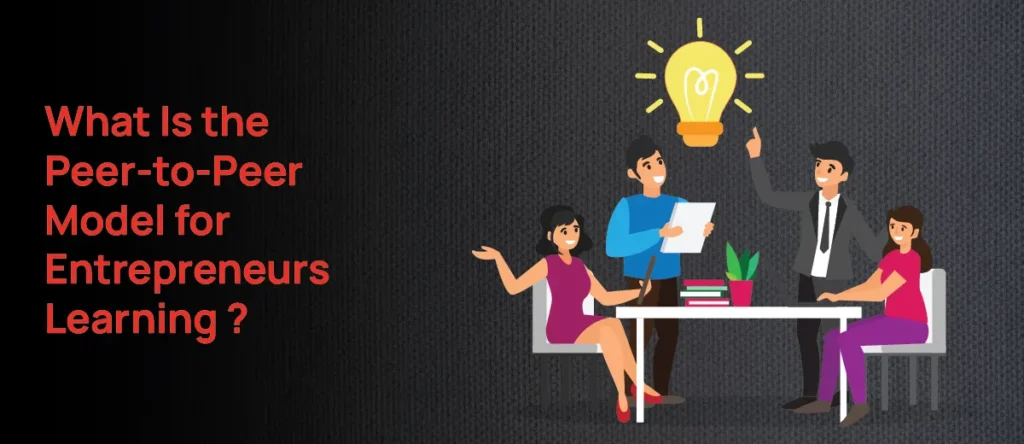
Peer-to-peer learning in entrepreneurship occurs when entrepreneurs and business leaders learn and grow together through structured conversations, experiences, and group reflection. Peer-to-peer learning differs from traditional classroom instruction, online courses, or top-down mentoring. In this scenario, courses provide information, mentors provide perspectives, but peers share real-world realities.
In a true peer-to-peer learning model, entrepreneurs bring real challenges to the table and receive insights from others who have encountered and overcome similar obstacles. There are no textbook answers here. The learning comes from lived experience, honest conversation, and the willingness to be both a student and a teacher at the same time. This kind of entrepreneurship learning builds wisdom that no curriculum can replicate.
Why Do Entrepreneurs Learn Better from Peers Than from Courses Alone?
Theory can only take a founder so far. The real challenges of learning entrepreneurship involve decisions that are emotionally complex, strategically uncertain, and deeply personal. No course can fully prepare you for a difficult conversation with a co-founder, executing a market pivot, or managing a team crisis.
Beyond strategy, there is isolation. Many founders feel isolated at the top, unable to speak openly with employees, investors, or even their own family. This emotional and strategic isolation is one of the biggest barriers to good decision-making. Peer-to-peer learning bridges this gap by providing a secure and trusted environment where founders can share their thoughts, be constructively challenged, and receive support from others who fully understand their journey.
ASCENT’s Peer-to-Peer Learning Model: Core Pillars Explained
ASCENT Foundation was born with a simple mission: to surround growth-stage founders with a highly structured environment where trust is high and learning is derived from shared experience and conversation. With over 1,200 entrepreneurs across 65+ industries, ASCENT has built one of India’s most respected peer-to-peer learning models for business owners and founders. Here is how it works in practice.
1. Trust Groups: The Core Peer-to-Peer Circle
At the heart of ASCENT’s model are Trust Groups. Each group brings together 8-10 growth-stage entrepreneurs from non-competing industries. They meet monthly in a confidential, high-trust setting. Learning at ASCENT is not transactional. It is built on shared experiences, personal reflection, and genuine peer support.
As Paras Shah, CEO of Mitosis Infomatique, states,
“As an entrepreneur five years ago, I often felt the weight of leadership and the loneliness accompanying it. However, joining ASCENT transformed my journey. Being part of my Trust Group has given me a network of supportive peers I can always turn to for advice and guidance.”
2. Boardroom Sessions: Learning from Industry Leaders
Boardroom Sessions are closed-door interactions with industry leaders, designed to bring real-world insights into focus. Through honest conversations, tough questions, and firsthand experiences, entrepreneurs gain perspectives that go beyond theory. These sessions create a space for more profound understanding, reflection, and meaningful learning drawn from those who have navigated similar journeys.
3. ASCENT Huddles: Topical Deep-Dives
Huddles are short, focused group sessions where 50–100 members come together under one roof to exchange perspectives and explore key business topics in depth. Facilitated by an expert, these discussions enable participants to learn from each other’s experiences across areas such as finance, sales, and culture, while gaining actionable clarity on pressing business challenges.
4. Special Interest Groups (SIGs) and Peer Clusters
Social Interest Groups (SIGs) are communities built around shared interests and industries. Whether it is AI, direct-to-consumer, HR, or marketing, these communities bring together entrepreneurs who share common interests. Members connect regularly to discuss emerging trends, exchange ideas, and engage with like-minded peers. SIGs strengthen communication within the broader ASCENT community and offer a more focused, collaborative space for peer-to-peer business learning.
5. Flagship ASCENT Conclave
Members come together at ASCENT’s flagship event, Conclave, a celebration of the ASCENT community. It brings together entrepreneurs, industry leaders, and ecosystem builders to facilitate peer learning, networking, and meaningful exchange. Widely anticipated within India’s entrepreneurship ecosystem, Conclave is a living embodiment of collective growth in action.
Ready to grow with peers who truly understand the founder’s journey? Join us.
How Peer-to-Peer Learning at ASCENT Creates Long-Term Advantages
Peer-to-peer learning has far-reaching benefits beyond individual meetings. At ASCENT, learning is viewed as an ongoing leadership capability, not a short-term solution. The more frequently an entrepreneur leverages their peer network, the sharper their mindset becomes.
In fast-changing markets, shared insights from peers navigating similar challenges lead to greater adaptability and faster course correction. Decision-making improves as it is informed by collective entrepreneurial experience rather than individual assumptions alone. The built-in accountability within peer groups converts learning into consistent action, closing the gap between knowing and doing.
Most importantly, long-term relationships formed within the community build sustained confidence and resilience that carry entrepreneurs through even the most difficult phases of business.
Why ASCENT’s Peer Learning Model Works for Growth-Stage Entrepreneurs
ASCENT’s peer learning model works because it is grounded in the real obstacles that entrepreneurs and MSME owners face, not some idealised notion of what entrepreneurship should be. The model reflects the reality of how entrepreneurs truly wrestle with difficult decisions, along with the emotional support and guidance they require.
It carefully balances independence with hands-on involvement. Members are not passive participants. They bring their real problems, contribute their genuine experiences, and take away insights they can act on immediately. Unlike short-term programmes that offer a burst of motivation with little follow-through, ASCENT is designed for long-term participation. The depth of learning increases the longer an entrepreneur stays engaged with the community. Explore ASCENT membership to understand how this sustained model of entrepreneurship learning works in practice.
What Entrepreneurs Gain Beyond Business Knowledge
1. A Circle of Trust for Founders
Leadership can be a very isolating experience. This is exactly what ASCENT aims to combat by providing a close-knit community of peers along with a comfortable environment where founders can share their thoughts without the pressure of being judged.
As the founder of Rollick Ice Cream, Gaurav Khemani, states,
“The support and perspective of having my ASCENT community behind me and in mind gave me the strength to push through the tough times and come out even stronger on the other side.”
2. Fast-tracked Personal Growth
Having peers around you who are also highly motivated for their own personal growth will help accelerate your own development.
3. Emotional Resilience
Business is not just strategy. It’s also the pressure, the uncertainty, and the constant change. Being part of a circle of peers builds the emotional resilience needed to navigate these realities without losing clarity or confidence.
4. Self-Awareness as a Strategy
Peer learning enables individuals to become more aware of blind spots that they might not recognise on their own. Receiving honest feedback from trusted peers helps entrepreneurs develop greater self-awareness, which is important for effective leadership.
5. The Founder’s Well-being
At ASCENT, we recognise that a healthy founder builds a healthy business. The community creates space not just for business growth but for the personal well-being of every entrepreneur within it, because sustainable success starts from within.
Stop learning alone. Connect with a community built for entrepreneurs like you.
Conclusion
The best way to learn entrepreneurship is through the company of peers who are on a similar journey, facing shared complexities, and committed to the same standard of growth. ASCENT Foundation has built a peer-to-peer learning model that goes far beyond networking. It is a structured, trust-based community where entrepreneurs grow through shared experience, honest dialogue, and long-term accountability. If you’re ready to move beyond learning in isolation and grow with a community that truly understands the life of the founder, then take the next step with ASCENT’s peer-to-peer entrepreneurship network.
FAQ’s

ASCENT Foundation
ASCENT Foundation is a non-profit community for growth-stage entrepreneurs, focused on mentoring and peer learning. Founded in 2012 by Harsh Mariwala, ASCENT brings entrepreneurs together to share knowledge, build meaningful connections, and support each other’s growth.